Reforestation
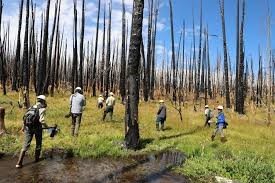
Reforestation is the process of replanting land with plants and trees that has been stripped of its forest cover in recent or historical past due to logging, fires, pests or human activity.
Main objectives
- Restoring ecosystems: Restoring the flora and providing a habitat for local fauna that depended on the original forest.
- Combating climate change: Capturing and storing carbon dioxide (CO₂) from the atmosphere through photosynthesis.
- Protecting the soil: Preventing erosion, landslides and soil depletion caused by rain or wind.
- Regulating the water cycle: Promoting water infiltration into aquifers and preventing flooding.
Types of reforestation
- Rural or environmental reforestation: Carried out in forested areas, jungles or fields degraded by fires, commercial logging or natural phenomena to restore the original environment.
- Urban reforestation: Involves planting trees within cities or on their outskirts (such as green corridors) to improve air quality, provide shade and reduce extreme heat.
Key difference: Reforestation vs. Restoration
Planting thousands of trees of a single species (monoculture) does not always mean restoring a functional forest. Whilst reforestation focuses on planting trees to generate vegetation cover and capture carbon, environmental restoration is a broader process that seeks to restore the soil’s overall health, recover species diversity and re-establish the ecosystem’s overall balance.
 |  |